Ofgem Energy Price Cap 2026: How Can You Protect Your Home From Future Energy Price Rises?
Energy prices are back in the headlines.
The Ofgem energy price cap increased for the period from 1 July to 30 September 2026, with the widely reported annual figure rising to £1,862 for a typical dual-fuel household paying by Direct Debit under the previous typical-consumption measure.
But what exactly is the energy price cap, why does it keep changing, and can technologies such as solar panels and battery storage give homeowners greater protection from future price increases?
At Underwood Electrical, these are questions we're increasingly being asked by homeowners across Staffordshire and Cheshire
What Is the Ofgem Energy Price Cap?
One of the biggest misconceptions is that the price cap limits your total energy bill.
It doesn't.
Ofgem limits the amount suppliers can charge customers on applicable default tariffs for each unit of gas and electricity, together with the standing charge.
Your actual bill still depends on how much energy you use.
For 1 July to 30 September 2026, the average Direct Debit electricity rate is 26.11p per kWh, with an average electricity standing charge of 57.19p per day.
Gas averages 7.33p per kWh with a standing charge of 29.04p per day.
How Often Does the Energy Price Cap Change?
The Ofgem price cap is updated every three months.
That means energy prices for households on affected tariffs can potentially change four times every year:
- • January to March
- • April to June
- • July to September
- • October to December
Changes in wholesale energy costs and other elements of supplying energy are reflected in the calculation.
For homeowners, that can make predicting future household energy expenditure difficult.
What Is Expected to Happen in October?
The next price cap will apply from October to December 2026.
Forecasts can change before Ofgem makes its final announcement, so we don't believe homeowners should make major investment decisions based purely on a predicted price-cap figure.
What's more important is the underlying issue:
Energy prices can move both up and down, and individual households have very little control over the wholesale energy market.
However, you can potentially gain much greater control over how much electricity you need to purchase - and when you purchase it.
How Can Solar Panels Help?
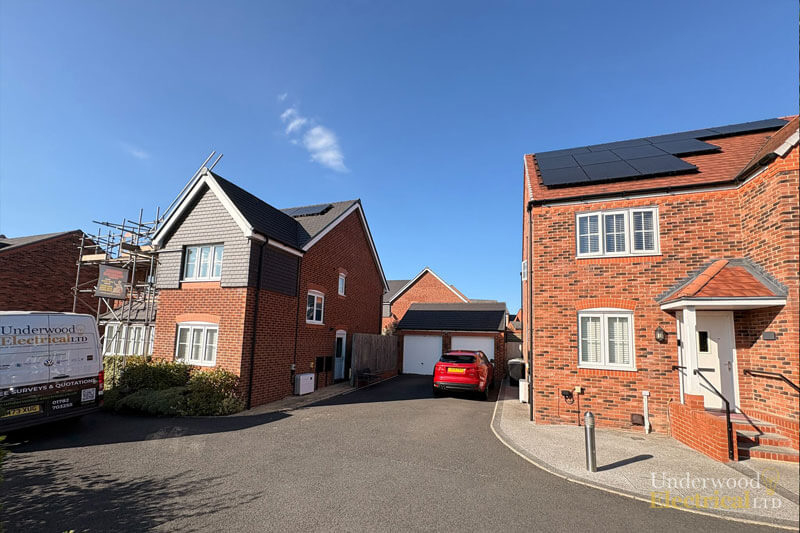
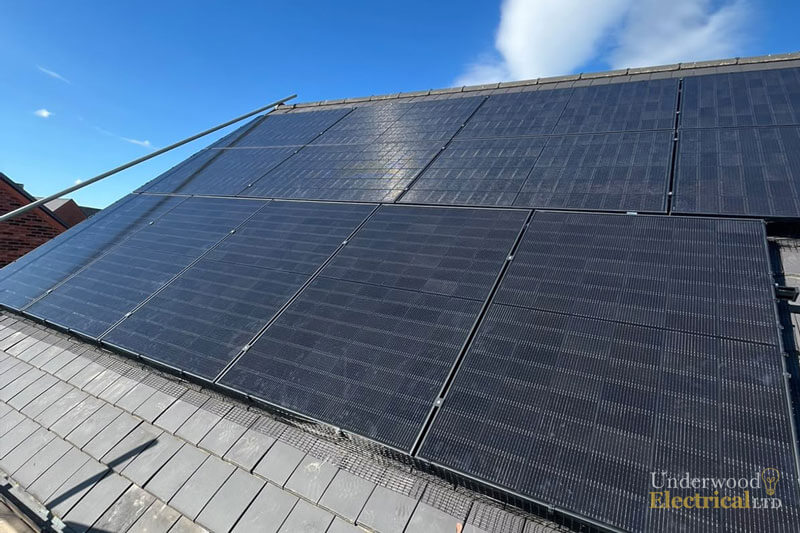
Solar PV allows your home to generate its own electricity.
Every unit of solar electricity that you use directly is electricity that you don't need to purchase from your supplier at that moment.
A correctly designed solar installation considers much more than simply fitting as many panels as possible.
We look at factors including:
- Annual electricity consumption
- Roof orientation and available space
- Shading
- Daytime electricity demand
- EV ownership
- Heating requirements
- Battery storage
- Export tariffs
Battery Storage Can Provide Even More Control
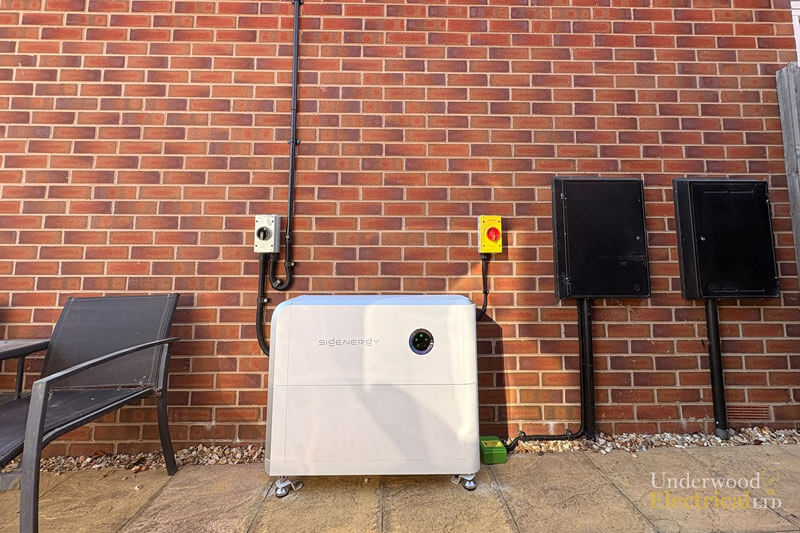
Battery storage changes the way a home can interact with the electricity grid.
During the day, excess solar generation can potentially be stored rather than immediately exported.
That stored electricity can then be used later when the solar panels are no longer generating.
But batteries aren't limited to storing solar electricity.
With suitable electricity tariffs, a battery can potentially be charged during lower-cost periods and used when grid electricity is more expensive.
Modern systems such as Tesla Powerwall and Sigenergy can provide sophisticated energy management, allowing homeowners much greater control over when electricity is imported, stored and consumed.
Does That Mean You Should Never Export Solar?
No.
This is where modern energy management gets interesting.
Depending on your import and export tariffs, there may be occasions when exporting your solar electricity and receiving payment for it makes more financial sense than storing it.
Likewise, it may sometimes be advantageous to charge your battery from inexpensive grid electricity and export surplus solar generation. There isn't one strategy that works for every household.
That's why we increasingly look at solar, battery storage and electricity tariffs together rather than treating them as separate products.
What About EV Charging?
An electric vehicle can be one of the largest electrical loads in a home.
Smart EV charging allows much of that demand to be moved into cheaper electricity periods.
If you also have solar and battery storage, the complete system can be configured around the household's requirements.
The aim isn't simply to generate electricity.
It's to use energy intelligently.
And Heat Pumps?
The same principle applies to heating.
A correctly designed heat pump can provide highly efficient electric heating, while solar generation, battery storage and time-of-use tariffs can potentially help reduce the cost of the electricity required to operate it.
As homes become increasingly electrified, considering solar, battery storage, EV charging and heating as one complete energy system becomes increasingly important.
Can Renewables Guarantee Your Energy Bills Won't Increase?
No - and we'd be cautious of any company that claims they can.
You'll normally remain connected to the electricity grid and your savings will depend on your system, energy consumption, tariffs and future energy prices.
What solar and battery storage can provide is greater control.
You can generate some of your own electricity.
You can potentially store energy when it is available or inexpensive.
You can shift consumption into cheaper periods.
And ultimately, you can reduce the proportion of your household electricity that needs to be purchased at standard grid rates.
Creating Greater Energy Stability
Nobody knows exactly what electricity will cost five or ten years from now.
That's one of the reasons we're seeing homeowners increasingly interested in producing and managing more of their own energy.
The objective isn't necessarily to become completely independent from the electricity grid.
For many households, it's about reducing exposure to future energy price changes and gaining greater control over household running costs.
Thinking About Solar or Battery Storage?
Underwood Electrical designs and installs complete renewable energy systems including:
- Solar PV
- Battery Storage
- Smart Energy Management
- EV Charging
- Air Source Heat Pumps
We can assess your current electricity consumption and discuss which technologies are appropriate for your property rather than simply recommending the largest system available.
We cover Stoke-on-Trent, Newcastle-under-Lyme, Stone, Stafford, Crewe, Nantwich, Market Drayton and surrounding areas across Staffordshire and Cheshire.
Contact Underwood Electrical to arrange a renewable energy survey and find out what greater control over your home's energy could look like.
Get in touch Call 01782 703255